
Material Notes
What's the Difference Between EVA and PE Material?
EVA and PE look similar but behave very differently. How to tell them apart by feel, hardness and use, and which one fits your product.
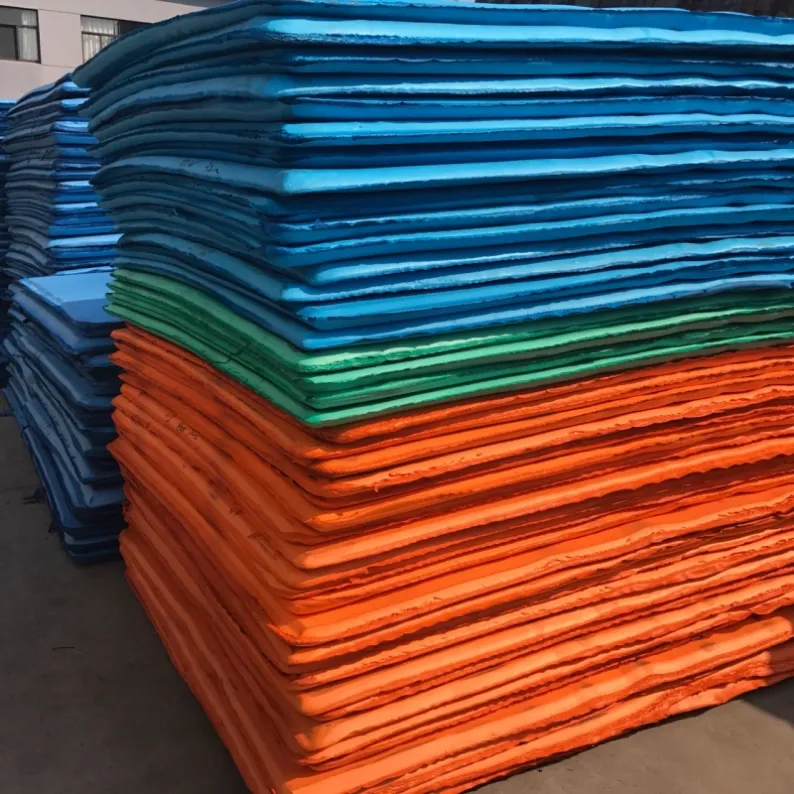
EVA and PE are both common foam and plastic materials, and at first glance they can look alike. But they are made differently, feel different and suit different uses. This article explains the difference between EVA (ethylene-vinyl acetate) and PE (polyethylene), so you can choose the right material for your product.
What Is EVA?
EVA is a copolymer of ethylene and vinyl acetate. It is soft, flexible and rubber-like, with good elasticity, cushioning and water resistance. EVA can be foamed into sheets, mats and molded parts, and it is easy to die-cut, laminate and thermoform. Common EVA products include shoe soles, yoga mats, protective packaging, sports flooring and foam toys. EVA is also used as a hot melt adhesive, in cable sheathing and in solar cell films.
What Is PE?
PE (polyethylene) is one of the most widely used plastics in the world. It is harder and more rigid than EVA, with good electrical insulation, chemical resistance and low-temperature performance. PE is used for food packaging, bottles, containers, pipes, films and synthetic paper. PE foam (including XPE and IXPE) is used for cushioning, insulation and protective packaging, and PE is also used in cable and toys.
EVA vs PE at a Glance
- Softness: EVA is soft, flexible and elastic; PE is harder and more rigid.
- Cushioning: EVA absorbs shock and vibration well; PE foam cushions, but solid PE does not.
- Water resistance: both resist water; EVA foam is closed-cell and does not absorb moisture.
- Chemical resistance: PE resists most chemicals very well; EVA also resists water and many chemicals.
- Electrical insulation: PE is an excellent electrical insulator; EVA is also used in cable sheathing.
- Low-temperature performance: both perform well in the cold; EVA stays flexible at low temperatures.
- Processing: EVA is easy to foam, mold, die-cut and laminate; PE is easy to extrude, blow-mold and injection-mold.
Which Material Should You Choose?
- Choose EVA when you need cushioning, comfort, flexibility and shock absorption: shoe soles, yoga mats, protective gear, packaging inserts and foam toys.
- Choose PE when you need a hard, rigid, low-cost plastic: containers, pipes, films, food packaging and electrical insulation.
- For foam cushioning and insulation, both EVA foam and PE foam (XPE/IXPE) work well; the choice depends on the softness, density and cost your product needs.
EVA and PE are different materials for different jobs. If you are not sure which one fits your product, contact SHENSHUAI with your application and we will recommend the right foam and supply samples. Samples are available within 7 days and bulk orders within 15 days.