
Material Notes
Performance and Application of EVA Materials
EVA combines resilience, flexibility, weather resistance and easy processing in one material. Its key properties, and the industries that rely on it, from packaging to construction.
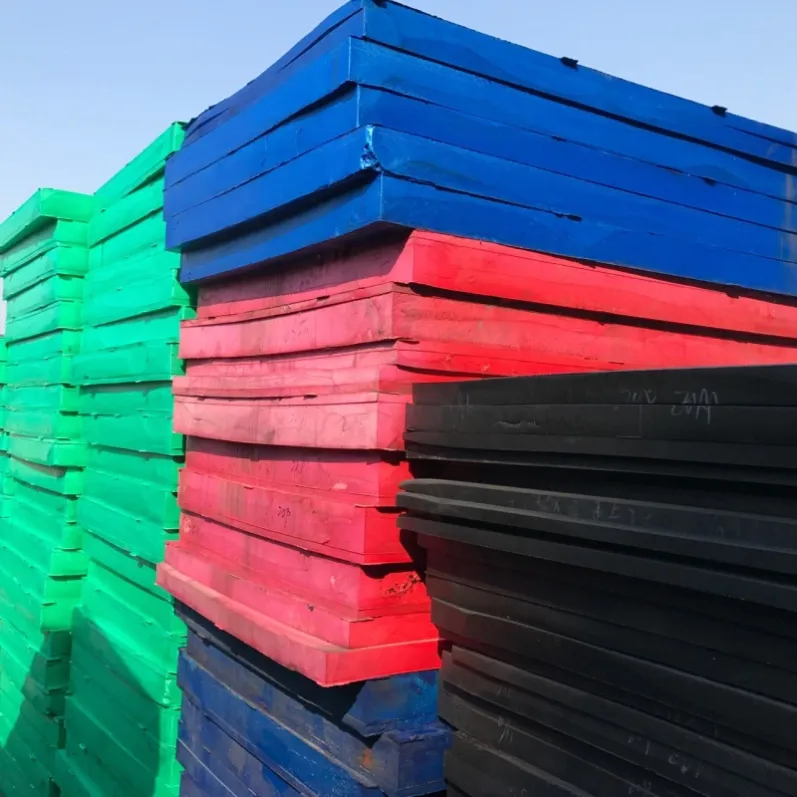
EVA (ethylene-vinyl acetate) is one of the most versatile foam materials in modern manufacturing. It is light, flexible, tough and easy to process, which is why it appears in products as different as shoe soles, food packaging, car interiors and building insulation. This article brings together the key performance characteristics of EVA materials and the applications they make possible.
What Makes EVA Perform
- Resilience and elasticity: EVA foam springs back after compression, keeping its cushioning and shape through repeated use.
- Flexibility: EVA stays soft and bendable, even in cold conditions, and can be shaped into complex parts.
- Low-temperature toughness: EVA keeps its strength and flexibility in the cold, where many plastics turn brittle.
- Transparency and gloss: EVA resin is clear and glossy, and foamed EVA takes bright, even colors.
- Stress-crack resistance: EVA resists cracking under stress, which makes it reliable in long-life products.
- Weathering resistance: EVA resists UV light, ozone and aging, so it performs well outdoors.
- Chemical resistance: EVA resists water, oil and many chemicals, and does not absorb moisture.
- Thermal and sound insulation: the closed-cell structure blocks heat and absorbs sound.
- Easy processing: EVA can be foamed, molded, extruded, thermoformed, laminated and die-cut into almost any shape, and it bonds well to other materials.
- Safety: EVA foam is non-toxic and odorless, and it can be made flame-retardant and anti-static for special uses.
Six Characteristics That Define EVA Foam
- Water resistance: the closed-cell structure does not absorb water, so EVA foam keeps its performance in wet conditions and resists mold and mildew.
- Corrosion resistance: EVA foam stands up to seawater, grease, acids, alkalis and other chemicals without degrading.
- Easy processing: EVA foam can be die-cut, thermoformed, laminated and bonded, and it works with hot pressing, molding and extrusion.
- Anti-vibration: EVA foam absorbs shock and vibration, protecting people, products and equipment.
- Thermal insulation: the fine closed cells trap air and slow heat transfer, making EVA foam useful for insulation and for keeping products at a stable temperature.
- Sound insulation: EVA foam absorbs sound waves and reduces noise, which is why it is used in studios, vehicles and buildings.
Where EVA Materials Are Used
- Packaging: protective inserts, trays and cushioning that protect fragile goods in transport.
- Footwear: midsoles, insoles and outsoles that cushion every step and reduce fatigue.
- Construction: insulation boards, floor mats and gap fillers for thermal and sound insulation.
- Automotive: door panels, dashboards, seat padding and sound-deadening parts.
- Electronics and appliances: insulation, sealing and anti-vibration parts for washing machines, air conditioners and refrigerators.
- Sports and leisure: yoga mats, knee pads, helmets and protective gear.
- Medical: orthotic insoles, splints and rehabilitation supports.
- Toys and household goods: soft, safe foam toys, floor mats and storage products.
- Agriculture: films and sheets for greenhouses, and protective packaging for produce.
Choosing the Right EVA for Your Application
Density, thickness and hardness decide how EVA performs. Higher-density EVA is firmer and stronger; lower-density EVA is softer and more flexible. Thickness ranges from thin sheets for lining to thick blocks for protection, and hardness is measured on the Shore C scale. SHENSHUAI supplies EVA foam sheets from 1 mm to 100 mm thick, in densities from 25 to 120 kg/m3, in custom colors and hardness, and can die-cut or laminate them to your design. Samples are available within 7 days and bulk orders within 15 days.