
How to Choose EVA Foam for Footwear Production in Vietnam: Insoles, Midsoles and Uppers
A guide for Vietnam footwear factories on choosing EVA foam for insoles, midsoles and uppers: density, hardness, thickness, die-cutting, lamination and moulding.
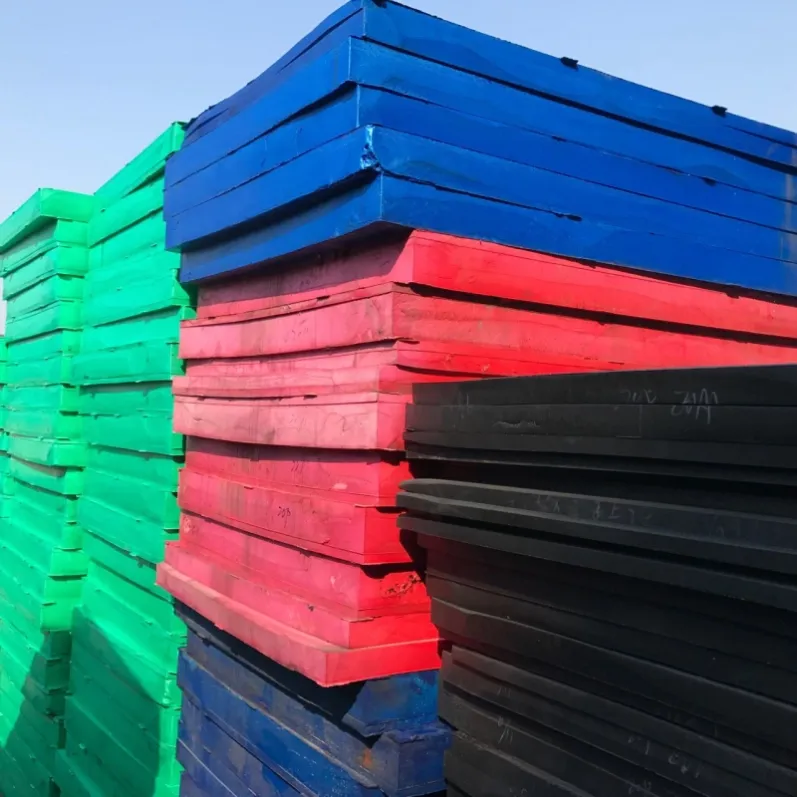
Vietnam's footwear factories buy EVA foam in sheets, boards and rolls, then cut, laminate and mould it into parts that have to feel right on the first wear and hold up through a full season. A foam that works for a soft insole will not carry a midsole, and a board that gives a heel counter its shape will feel wrong underfoot. This guide walks through the choices buyers actually make on an order: which part the foam is for, how density and hardness work together, what thickness to start from, and how the format you buy affects die-cutting, lamination and moulding.
Start with the part, not the foam
Every footwear order starts with the same question, and it is not about foam at all. Which part are you making, and what does that part have to do? An insole sits against the foot, so comfort and a soft, even feel matter most. A midsole has to absorb impact and spring back, step after step, without going flat. Uppers and structural parts — heel counters, toe puffs, collar padding and stiffeners — have a different job again: they hold a shape, support the foot and keep the shoe looking as it was designed to look.
When the part is clear, the rest of the specification falls into place. A buyer who orders "EVA foam for shoes" without naming the part will get a workable material, but rarely the best one. A buyer who names the part, the shoe type and the thickness they need can be quoted against a real grade, and can compare samples on equal terms.
Three formats, three starting points
The Footwear hub groups the range into three formats, and each one suits a different kind of work. EVA Sheet is supplied at 2000 x 1000 mm, in densities from 85 to 190 kg/m3 and thicknesses from 2 to 90 mm. It is the general-purpose format: sheets are easy to nest, cut and check, and the wide thickness range covers thin insole layers through to thick midsole blocks.
High-Density EVA Foam Board is the structural choice. It is supplied at 1 x 2 m, in densities from 50 to 120 kg/m3, hardness from 35 to 70 Shore C and thicknesses from 5 to 100 mm. That combination — a firm, dense board that still cuts and moulds cleanly — is what makes it useful for midsoles, heel counters and other parts that need to hold their shape under load.
EVA Foam Roll suits long runs of thin material. It is supplied in densities from 25 to 80 kg/m3 and thicknesses from 1 to 50 mm, in widths up to 1 m. Rolls feed well through cutting and lamination lines, and they are a practical choice for insole top layers, linings and other thin, flexible parts where a sheet would mean more handling and more offcuts.
Density and hardness, read together
Density, measured in kg/m3, tells you how much material is packed into the foam. Hardness, measured here in Shore C, tells you how firm it feels under pressure. The two move in the same direction in most grades — a denser foam usually feels firmer — but they are not the same number, and a buyer who quotes only one of them leaves room for a surprise.
For a midsole or a heel counter, ask for both figures and check them against the sample in your hand. For a soft insole layer, density and thickness may matter more than a hardness reading, because the feel comes from the whole build: the foam, its thickness and what it is laminated to. Either way, put both numbers on the purchase order once you have settled them, so the next batch matches the sample you approved.
Thickness: start from the finished part
Work backwards from the part you need. A midsole that finishes at a set height needs a starting thickness that allows for moulding and trimming; an insole built from two laminated layers needs each layer specified separately, not just the total. The ranges on the three formats give you room to do that: EVA Sheet from 2 to 90 mm, High-Density EVA Foam Board from 5 to 100 mm and EVA Foam Roll from 1 to 50 mm.
If you are between two thicknesses, order samples of both. A 2 mm difference is hard to judge from a data sheet and easy to feel in a shoe, and it is far cheaper to test at sample stage than to re-cut a bulk order.
Die-cutting, lamination and moulding
Most footwear foam is die-cut, and the first thing to check on a sample is the edge. A clean, straight cut with no tearing or crumbling means the grade suits your dies and your line speed. Thicker boards need a sharp die and a firm press; thin roll material needs a clean feed and a flat lay, or the cut parts will vary in size.
Lamination is where layers become a part. Insoles are often built up from two or more layers, and collar padding is laminated to fabric before it is stitched. Check the bond on a sample after it has been flexed and left overnight, not just straight off the line. A bond that looks fine at first and lifts after flexing will fail in wear, and it is the sample stage that catches it.
Moulding shapes the foam, and it also tests it. A midsole or heel counter that comes out of the mould with an even surface and keeps its shape after cooling is a good sign; one that springs back unevenly or shows thin spots needs a different grade or a different starting thickness. Run your moulding trial on the same grade, thickness and colour you plan to order in bulk, because a change in any of those can change the result.
Test the sample the way the shoe will be used
Samples are available within 7 days, and that week is best spent on the factory floor, not on a desk. Cut the sample with your own dies, laminate it the way production will, mould it if the part needs moulding, and then put it in a shoe and flex it. Check the edge after cutting, the bond after lamination, the shape after moulding and the feel after a day of wear testing. If a sample passes those four checks, it is worth ordering in bulk; if it fails one, say which one, and the grade can be adjusted from a known starting point.
Compliance and paperwork, in plain terms
Footwear buyers in Vietnam often ship to brands with their own compliance files, so it helps to know what is already held and what is done on request. SHENSHUAI holds SGS and PAHS certification and ISO 9001. REACH, RoHS and EN71 are SGS special tests carried out per customer request, not standing certificates, so ask for them when your buyer requires them and allow time for the test. The factory has also passed a BV audit, reference MIC-ASR2431136. The EU compliance page sets out the same position in full, and it is worth reading before you send a specification to a European buyer.
What to put in a quote request
A short, complete request gets a fast, accurate quote — quotes are given within 24 hours. Send the part and the shoe type, the density and hardness you want, the thickness and size, the colour and the quantity. The minimum order is 100 pcs per colour. Samples are supplied within 7 days and bulk orders within 15 days. Trade terms are FOB Ningbo or Shanghai, EXW, CIF and CFR, and payment is by T/T, L/C, D/A, D/P or O/A.
A useful habit is to keep one approved sample per part, labelled with its density, hardness, thickness and colour, and to quote that sample number on every repeat order. It removes guesswork for both sides, and it means a new buyer in the factory can check a delivery against the sample in minutes.
A short checklist before you order
- Name the part and the shoe type.
- Set the density and hardness together, and the thickness from the finished part.
- Pick the format that fits your line: sheet, board or roll.
- Cut, laminate and mould the sample the way production will.
- Check the edge, the bond, the shape and the feel.
- Send the full specification — part, density, hardness, thickness, size, colour and quantity — and keep the approved sample for the next order.