
Material Notes
Anti-static EVA Features and Application Notes
Anti-static EVA protects sensitive electronics from static damage. How it works, its surface resistance, and where it is used in packaging and transport.
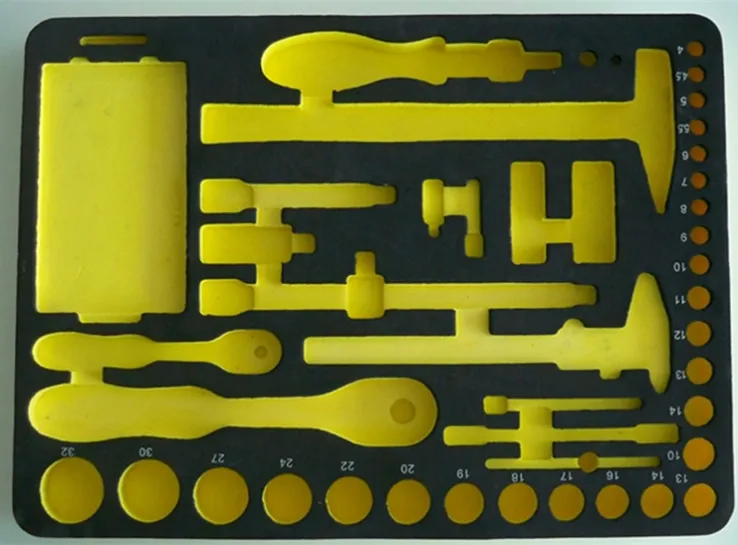
Static electricity is invisible, but it can destroy a circuit board in a fraction of a second. That is why electronics factories and shippers pack sensitive parts in anti-static EVA foam. By adding a conductive carbon material to EVA, the foam safely carries static charge away instead of letting it build up. This article explains how anti-static EVA works and where it is used.
What Is Anti-static EVA?
Ordinary EVA foam is an insulator: it holds a static charge on its surface. Anti-static EVA is made by mixing a conductive material, usually carbon black, evenly into the EVA during foaming. The result is a foam with a surface resistance of 10^6 to 10^8 ohms (typically around 10^7 ohms). That resistance is low enough to drain static charge away, but high enough to avoid short circuits, which makes it safe for electronic components.
Key Features of Anti-static EVA
- Static protection: surface resistance of 10^6 to 10^8 ohms, safely dissipating electrostatic charge.
- Electronics-safe: protects integrated circuits, chips and precision parts from electrostatic discharge (ESD).
- Long-lasting: the anti-static effect lasts 1 to 2 years in normal storage and use.
- Custom sizes: anti-static EVA can be die-cut into trays, boxes and inserts in any size, thickness and hardness.
- Black color: because carbon black is the conductive material, anti-static EVA is normally black.
- Light and cushioning: like all EVA foam, it is light, soft and shock-absorbing, so it protects products from impact as well as static.
Applications
- Integrated circuit packaging: trays and boxes that hold chips and circuit boards during production and shipping.
- Electronics transport and storage: protective inserts for phones, computers, cameras and other devices.
- Foam trays and boxes: custom-cut trays that hold parts in place and keep them static-free.
- Workstations: mats and liners for electronics assembly areas, where static control matters.
- Medical and precision instruments: packaging for sensitive devices that must be protected from both impact and static.
How to Use Anti-static EVA
Anti-static EVA is usually die-cut or laminated into trays, boxes and inserts to fit the product it protects. It can also be used as a lining inside cartons and cases. For best results, keep the foam dry and away from strong sunlight, and replace it when its surface becomes worn or dirty, because the anti-static effect weakens over time.
Anti-static EVA combines the cushioning of EVA foam with reliable static protection, making it a standard material for electronics packaging. SHENSHUAI supplies anti-static EVA foam sheets and custom-cut trays and inserts in custom sizes, thickness and hardness. Contact us for samples and a quote. Samples are available within 7 days and bulk orders within 15 days.